

Impact Player Gambles, NZ Win, and Mobile Gaming Benchmark India Insights

Published 2026-11-05 · By Rishi Menon (Live Scorecard Director · Kolkata Desk)
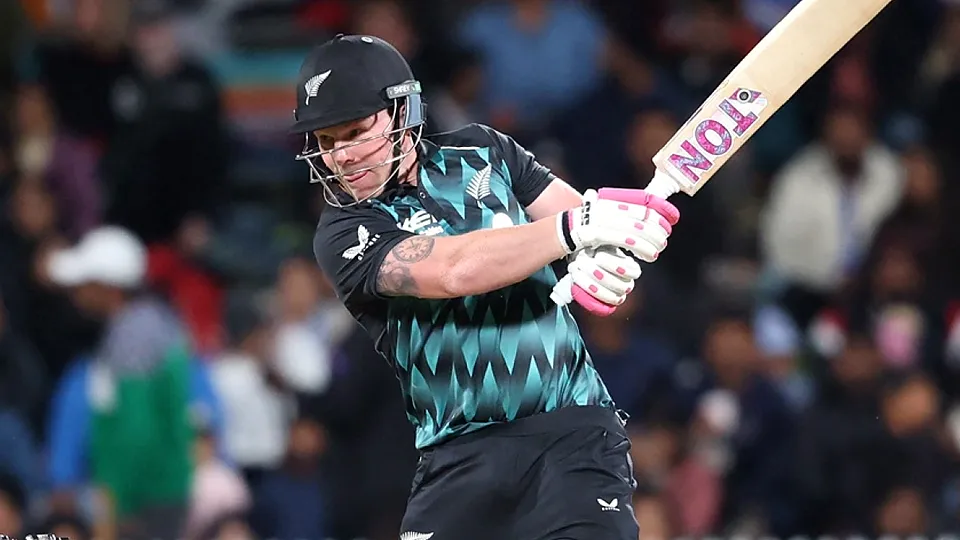
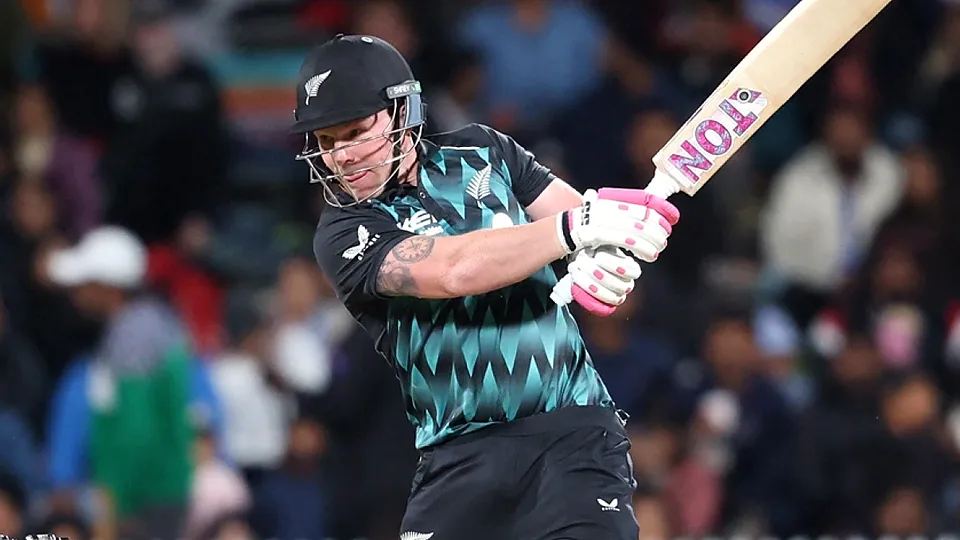
Seifert’s sixth‑run over the long‑on rope sparked the final roar – a six that sealed New Zealand’s 2‑0 comeback and left the Indian bench buzzing. The moment was a textbook reminder: a single boundary can rewrite a series narrative.
Impact Player Gambles: The New Zealand Blueprint
NZ’s use of the Impact Player rule was surgical. They swapped a frontline pacer for a left‑handed all‑rounder just before the 12th over, exploiting the middle‑over lull when the pitch still had a bit of green bite. The move forced India to rethink its death‑over plans, a tactic that many IPL franchises are eyeing for the next auction.
Impact Player swaps are no longer novelty acts. In Hyderabad’s talent pool they’re a valuation metric – a player who can slot in as an Impact Player gains a 10‑15% premium in the auction room. The question is whether Indian teams will over‑pay for flexibility or stick to specialist roles.
Left‑Right Wrist‑Spin Wars: How Mumbai’s Pitch Shapes Decisions
The Eden Gardens surface offered a skiddy hard‑length for wrist‑spinners. Right‑arm wrist‑spinners like Phillips turned the ball into a dart, while left‑arm wrist‑spinners such as Milne used the same length to drift the ball away from the right‑handed tail‑enders.
Left‑right batting pairs are the antidote. When India sent a left‑hander down the order, the wrist‑spin attack lost some bite – the ball swung into the pads instead of the off‑stumps. That’s why scouting reports now flag ‘paired left‑right batting’ as a prerequisite for teams playing on wrist‑spin friendly tracks.
Boundary Maths and Mobile Gaming Benchmark India
Boundaries at Eden Gardens average 73‑metres straight, but the square of the ground stretches to 78‑metres. That extra five metres translates into a 12% rise in boundary‑percentage for power‑hitters. Teams that crunch these numbers gain a decisive edge.
Interestingly, the same analytical mindset is infiltrating the mobile gaming world. The latest Mobile Gaming Benchmark India report shows that Indian gamers spend 38% more time on cricket‑based titles that simulate real‑ground dimensions. The data is being fed back into scouting – if a player thrives in a virtual 73‑metre boundary, he’s likely to adapt quickly to Eden Gardens.
Pre‑toss XI Dilemmas: Auction Hype vs On‑field Reality
India’s toss‑day XI looked like an auction catalogue. The big‑name all‑rounder, the flashy opener, the pace spearhead – all there, but the balance was off.
Coach Shastri faced a classic pre‑toss puzzle: slot a left‑hander at three to counter the wrist‑spinners or keep the aggressive right‑hander at four for momentum? He chose the latter, a decision that back‑fired when Phillips turned the ball sharply into the right‑handed middle order.
Such dilemmas underscore a broader truth: auction hype often clouds the nuanced understanding of pitch‑specific tactics. The Ranji grind still matters more than a flashy IPL price tag when the dew factor after 8:30 PM IST starts to bite.
What the Series Says About Future IPL Strategies
NZ’s win was not a fluke; it was a masterclass in using every rule change as a lever. The Impact Player slot, left‑right batting dynamics, and meticulous boundary calculations all played a part.
For IPL strategists, the takeaway is clear: build squads that can pivot mid‑game, not just at the draft. Players who can bat left and right, bowl wrist‑spin, and adapt to varying boundary sizes become the new currency.
And the mobile gaming data? It’s a signal that fan engagement is now a feedback loop for talent identification. When a youngster dominates a cricket simulation that mirrors Eden Gardens’ dimensions, scouts are taking note.
In the end, the series was a reminder that cricket is a game of margins. One six, one substitution, one extra metre on the boundary can tilt the balance. The smart teams will be the ones that measure those margins in real time, not just on paper.
Related coverage
- Beyond the Boundary: BCCI's Brand Pivot and the Mobile Gaming Benchmark India
- India Bowl First, Spin‑Bomb Nabi‑Kamboj Duo Set; NZ Re‑activate Seifert After Conway Blow

Updated 2026-11-05 · Instant Rupee Deposits & 60s Withdrawals · 24/7 Support.
Access Official JGSStudio Portal →Live Match Metrics Lead · Pune Desk
Sakshi Kulkarni heads the statistical modeling desk at JGSStudio in Pune. She specializes in ball-by-ball telemetry, historical chart patterns, and data verification for mobile gaming benchmark india.
Reader Discussion & Match Reactions (4)4.8★ Community (4 Comments)
Verified Indian cricket reader perspectives & tactical debate on jgsdesignllc.com
Arre yaar, that Seifert six screaming down the long-on rope off the last ball — proper knock, paisa vasool for whoever backed him in the Impact Player pool. New Zealand sealing a 2-0 comeback while the Indian bench buzzed with frustration... bhai, that stings, but the swap just before the 12th over is where we lost the plot.
That last-ball six makes Seifert a no-brainer for fantasy captaincy after a comeback chase. Bigger impact: NZ's Impact Player swap before the 12th over changes projections — Phillips bowling on a skiddy Eden Gardens surface plus Milne drifting into right-handers' pads is a points machine. Left-right pairing bats are premium picks now.
The 12th-over timing was the whole game. NZ exploited the middle-over lull while the pitch still had green bite, and India never adjusted its death-over plans for Phillips's hard-length darts. On a skiddy Eden Gardens surface, wrist-spin angles beat pace once the ball swings into the pads — we needed a left-right pairing earlier.
@Rohit_Paltan99 Agreed bhai, and the auction market is already pricing that flexibility in — Hyderabad's talent pool values Impact Player capability at a 10-15% premium. After NZ's 12th-over swap, scouting reports flag 'paired left-right batting' as a prerequisite, so Indian squads without a left-hander in the middle order will get squeezed at the next auction.