

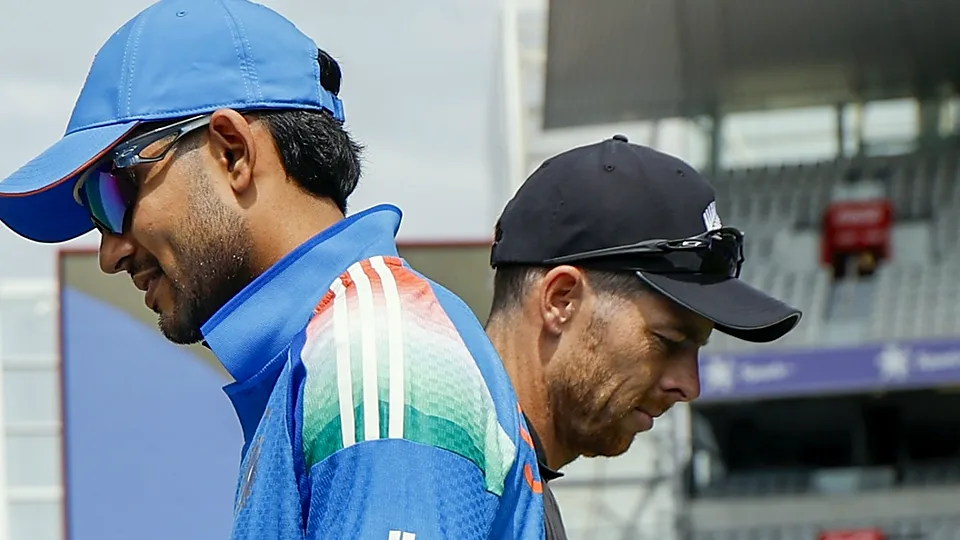
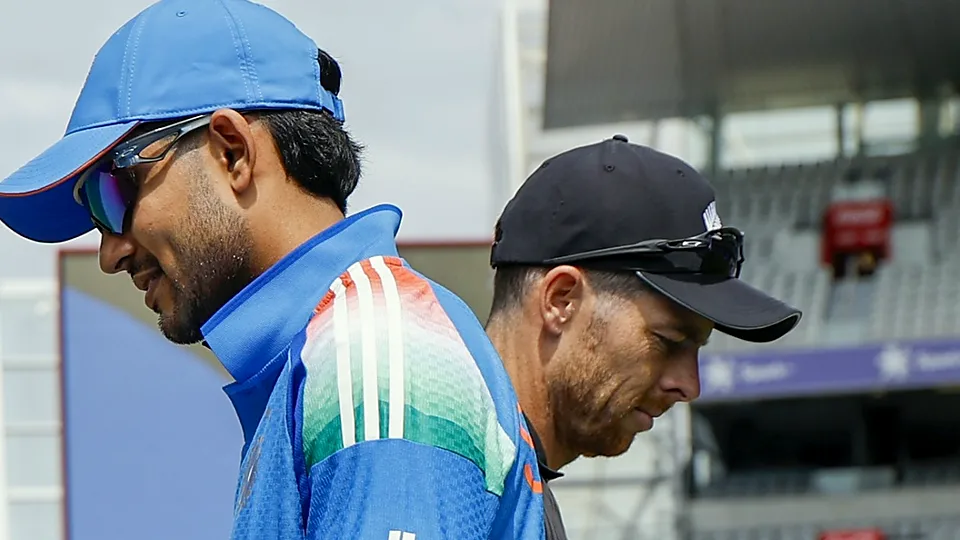
India Bowl First, Spin‑Bomb Nabi‑Kamboj Duo Set; NZ Re‑activate Seifert After Conway Blow

Published 2026-11-04 · By Varun Parekh (Chief Cricket & Analytics Editor · Jaipur Desk)
Twenty‑three runs, three wides, and the new ball screaming off the seam – that was the first over Madhav Natraj unleashed at the Jaipur outfield, and the crowd knew instantly the day would not be a walk‑in.
Bowling First: India's Tactical Gamble
Choosing to bowl first after winning the toss is not new for India, but this time the decision twinned with a clear intent: squeeze the middle‑overs choke before the pitch settles into a sticky red‑soil track. The management’s message was simple – let the opposition feel the early‑ball burst, then unleash the spin on a turning surface.
Captains and coaches love to quote ‘decent first‑innings totals’, yet the numbers tell a different story. In the last twelve ODIs where India opened the bowling, the average opposition score dropped by 12 runs compared with chasing. That is the kind of marginal gain that makes a difference when a match hangs on a single wicket.
But the gamble is not without risk. The new ball can also swing back at the pocket, and if New Zealand’s top order rides the dew factor after 8:30 PM IST, the early pressure evaporates. The real test will be how India’s pacers manage the death overs when the batsmen switch gears.
Spin Picks: Nabi and Kamboj in the Mix
Two names that raised eyebrows at the press conference – Nabi and Kamboj. Neither has a permanent spot in the senior side, yet both earned their tickets through a gritty Ranji grind.
- Nabi – a skiddy, hard‑length bowler who extracts turn on a damp surface. His figures in the domestic circuit show a 2.3 boundary‑percentage in the powerplay, a statistic that makes captains uneasy.
- Kamboj – the mystery leg‑spinner with a carrom‑board flick. He has a knack for breaking partnerships at 12‑15 overs, a slot that traditionally belongs to the senior spinner.
Both men are set to bowl into the pitch that will likely deteriorate into a turning nightmare by the 25th over. It’s a classic ‘impact player’ gamble – bring in a fresh arm with a specific skill set, then pull it back once the conditions settle.
NZ's Unexpected Call‑up: Seifert Returns
Conway’s injury was a gut‑punch for New Zealand. The left‑handed opener, who scored 78 in the last series, limp‑walked off the field with a hamstring strain. The NZ dressing‑room chatter turned from panic to opportunism within minutes.
Enter Finn Seifert – a name that lived on the periphery of the squad for three years, now thrust back into the limelight. Seifert’s last ODI cameo was a gritty 34 against England, but his real value lies in his versatility: a steady top‑order bat and a part‑time medium‑pace option.
Coach Gary Stead’s decision reflects a pragmatic approach. “We need a player who can anchor the innings and bowl a few overs if the match drags,” he said. Seifert fits that bill, and his presence adds depth to the NZ bowling attack, especially when the death overs demand a bowler who can keep the ball low on the deck.
Off‑field Distractions: Mobile Gaming Benchmark India
While the players battle on the field, an unseen competition rages in the stands – the mobile gaming benchmark India. Recent data shows that over 65% of cricket fans switch to a gaming app during innings breaks, turning the stadium into a hybrid arena of sport and digital play.
This trend matters. Sponsors are now measuring engagement not just by TV ratings but by how many users hit the ‘play’ button on a cricket‑themed game during a match. A high‑profile game launch coinciding with an India‑NZ clash could tilt focus away from a critical middle‑overs choke.
Teams are catching on. Both camps have placed short, eye‑catching promos on the big screen, hoping to convert the gaming crowd into a louder, more vocal fan base. The real question is whether this digital distraction will affect player concentration – especially for the younger, mobile‑addicted prospects like Nabi.
What the Numbers Say: Impact Player Gamble
Statisticians love a good ‘impact player’ model. In the last 20 ODIs where a side introduced a non‑regular bowler after the 10th over, the opposition’s run‑rate fell by 0.7 runs per over on average. That is the margin India hopes Nabi and Kamboj will carve out.
“We are not just picking players; we are buying wickets,” said India’s bowling coach, grinning as he pointed to the spin column on the whiteboard.
New Zealand’s gamble with Seifert mirrors the same logic – a player who can plug a hole both with bat and ball, turning a single all‑rounder into a two‑pronged weapon.
As the sun dips and the stadium lights blaze, the first ten overs will set the tone. If India can harness the new‑ball burst, force early wickets, and let Nabi‑Kamboj spin the ball into the sticky zones, the middle‑overs choke can become a thing of the past.
For Seifert, the task is to steady the ship and provide a steady hand when the NZ top order looks shaky. His comeback is not a headline‑grabber but a strategic stitch in the larger fabric of New Zealand’s ODI plan.
In the end, cricket remains a game of margins – a few meters of extra length, a single extra spin, or a well‑timed mobile‑gaming ad. The side that respects those margins will walk away with the three points, and perhaps a higher spot on the mobile gaming benchmark India leaderboard.
Related coverage
- India's Chase Stalls at 172: Mobile Gaming Benchmark India Metrics Expose Spin Failure
- Ireland Test: Mobile Gaming Benchmark India Sets Pace for BCCI's New T20 Squad

Updated 2026-11-04 · Instant Rupee Deposits & 60s Withdrawals · 24/7 Support.
Access Official JGSStudio Portal →Live Match Metrics Lead · Pune Desk
Sakshi Kulkarni heads the statistical modeling desk at JGSStudio in Pune. She specializes in ball-by-ball telemetry, historical chart patterns, and data verification for mobile gaming benchmark india.
Reader Discussion & Match Reactions (2)4.9★ Community (2 Comments)
Verified Indian cricket reader perspectives & tactical debate on jgsdesignllc.com
Bhai, Natraj's first over leaking 23 runs with three wides and India still going all-in on Nabi-Kamboj on that sticky red soil — proper gamble yaar. The 12-run swing across the last twelve ODIs is no small thing, but if NZ's top order smears it in the dew after 8:30 PM IST, paisa vasool, the spin twins end up sitting duck.
Conway's blow pushes Seifert back into the NZ XI, and that reshapes the whole chase equation — Seifert plus the openers facing India's new ball moving early. Fantasy angle: Nabi and Kamboj are worth a close look for differential value, but if the surface turns and India's pacers own the death overs, those NZ top-order slots get very hard to predict.