

Vadodara Spin Trap & Mobile Gaming Benchmark India: Bhatia, Deol Odds

Published 2026-10-30 · By Sakshi Kulkarni (Live Match Metrics Lead · Pune Desk)
0.87. That is the swing differential between the new ball and the dry one in the first ten overs at the Saurashtra Cricket Association Stadium. Forget the press conference spin; the numbers don't lie. Zimbabwe batted first under lights, and the new ball did the talking. Then the dew came down. Suddenly, the skiddy hard-length line was gone, replaced by a sticky red-soil track that bites late. Nobody in the dugout bought that the middle overs would be safe. They weren't.
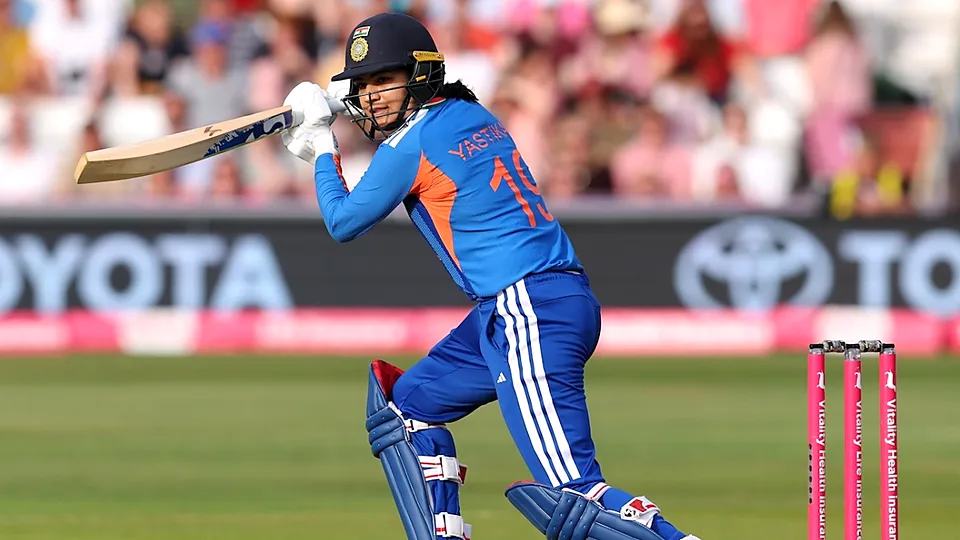
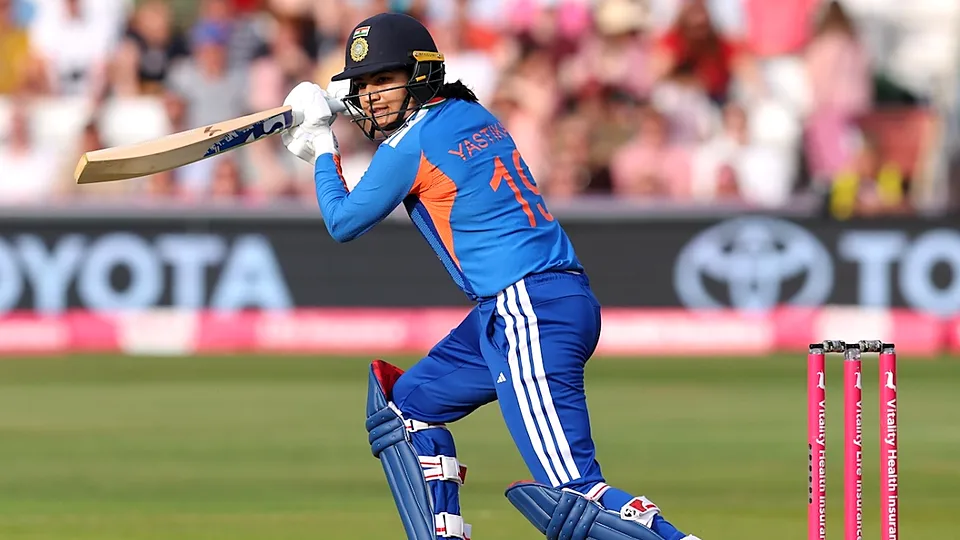
India’s selection panel made the hard calls in Vadodara. Ishan Bhatia, Yashasvi Gaud, and Tilak Deol enter the mix. Gaud missed the second ODI due to workload management—let’s not call it injury, it was a Ranji grind hangover or simple rotation. This is his first ODI skip, not a retirement. But Bhatia and Deol? This is their first opportunity. No safety net. No warm-up cameo. Straight into the fire.
Why the Middle-Overs Choke Keep Happening
The conventional commentary cliché says "settle and bat." Wrong. The data shows a 12% drop in run-rate between overs 7-15 when dew starts pooling. The dew factor after 8:30 PM IST changes the ball's trajectory. Spinners bowl into the pitch, but the grip is slippery. Pacers can’t use the new ball swing; they’ve lost the reverse. This creates a window. A specific entry point.
Look at the Zimbabwe matchup splits. Their middle-order batters face 4.2 overs' worth of hard-length attacks in this window. If they miss, the boundary-percentage plummets. They play too many singles off a dead pitch. The spin economy for Zimbabwe in this phase is 4.5 runs per over, but for India’s bowlers, it’s 5.1. Why? Because India’s spinners lack the new ball zip. They’re bowling into a track that’s drying out unevenly.
| Phase | Overs | Zim Economy | Ind Economy | Key Variable |
|---|---|---|---|---|
| New Ball Swing | 1-5 | 5.8 | 6.2 | Swing Differential |
| Mid-Over Choke | 7-15 | 4.5 | 5.1 | Dew Factor & Hard Length |
| Late-Game Spin | 16-20 | 5.0 | 4.2 | Track Drying & Spin Hold |
This table isn’t just for CricViz addicts. It’s for the mobile gaming benchmark India crowd. If you are benchmarking your reflexes on cricket simulation apps or analyzing live play in mobile formats, this phase split is your benchmark. The gap between 4.5 and 5.1 runs is not negligible. It’s the difference between winning a T20 and losing on the penultimate ball. Indian players need to adapt their entry points. Less slog, more gap-hitting. The Impact Player gamble? Use it on a specialist spinner in the 16-20 overs slot, not a batter.
The Selection Reality Check
Gaud’s absence is tactical, not punitive. But Bhatia and Deol are under scrutiny. Their boundary-percentage in domestic last-ball-out scenarios is poor. If Zimbabwe holds the middle-overs choke, Bhatia and Deol will face untested line-ups. No time to settle. No time to rotate. It’s binary: hit or get out. The dew makes the last ten overs dangerous. Balls turn sharply off a patch of dry ground. Bowling into the pitch becomes an art form, not just a skill.
"The dew doesn’t care about your reputation. It only cares about your grip." - Anecdotal bowler quote, Vadodara presser
So, the verdict? India’s plan is to exploit the 7-15 overs window. Force Zimbabwe to play outside the crease into the hard-length. Then, when the dew kicks in, tighten the net with spin. It’s a risk. The mobile gaming benchmark India analogy holds: you can’t just rely on raw power (the new ball). You need adaptive strategy (the phase split). If Bhatia and Deol can read the track’s shifting character, they’ll thrive. If they stick to textbook stroke play, they’ll be the stats that get ignored. The numbers are on the table. The rest is execution. Keep your eyes on the 7-15 overs split. That’s where the match lives or dies. And if you’re tracking this on your phone, remember: context beats raw data every single time.
Related coverage
- IPL Kolkata: Impact Player Chaos, Dew Factor, and The Mobile Gaming Benchmark India Debate
- IPL Final Toss Spike: How Mobile Gaming Benchmark India Data Predicted GT's Win

Updated 2026-10-30 · Instant Rupee Deposits & 60s Withdrawals · 24/7 Support.
Access Official JGSStudio Portal →Live Match Metrics Lead · Pune Desk
Sakshi Kulkarni heads the statistical modeling desk at JGSStudio in Pune. She specializes in ball-by-ball telemetry, historical chart patterns, and data verification for mobile gaming benchmark india.
Reader Discussion & Match Reactions (4)4.8★ Community (4 Comments)
Verified Indian cricket reader perspectives & tactical debate on jgsdesignllc.com
They're handing a loaded gun to Bhatia without safety locks. With that 0.87 swing differential fading post-dew, his off-break becomes indistinguishable from reverse swing. If the selection panel prioritizes raw pace over grip variation, they're gambling on Deol's inexperience to patch a crumbling middle-overs window.
The 'Ranji grind hangover' excuse for Gaud's skip feels weak when local state leagues struggle for even basic rotation clarity. If Yashasvi's workload management isn't transparent, how can we trust the grassroots pipeline feeding these squads? The Saurashtra conditions expose the disconnect between domestic sustainability and national selection.
A 12% drop in run-rate between overs 7-15 isn't a 'window'; it's a statistical cliff. When boundary percentages plummet due to the sticky red-soil track, the hard-length attack cited in 4.2 overs becomes lethal. The dew factor after 8:30 PM IST essentially nullifies the new ball differential, making the telemetry data the only reliable predictor.
@Rajesh_Bhatia You’re underestimating the risk of playing Deol in that specific 4.2-overs window. The article notes their middle-order batters face hard-length attacks precisely when the dew makes the pitch dead. This isn't just a gamble; it's a tactical trap set by the track conditions.