

IPL Final Toss Spike: How Mobile Gaming Benchmark India Data Predicted GT's Win

Published 2026-10-30 · By Karan Sen (Tech & Instant Payouts Desk · Hyderabad Desk)
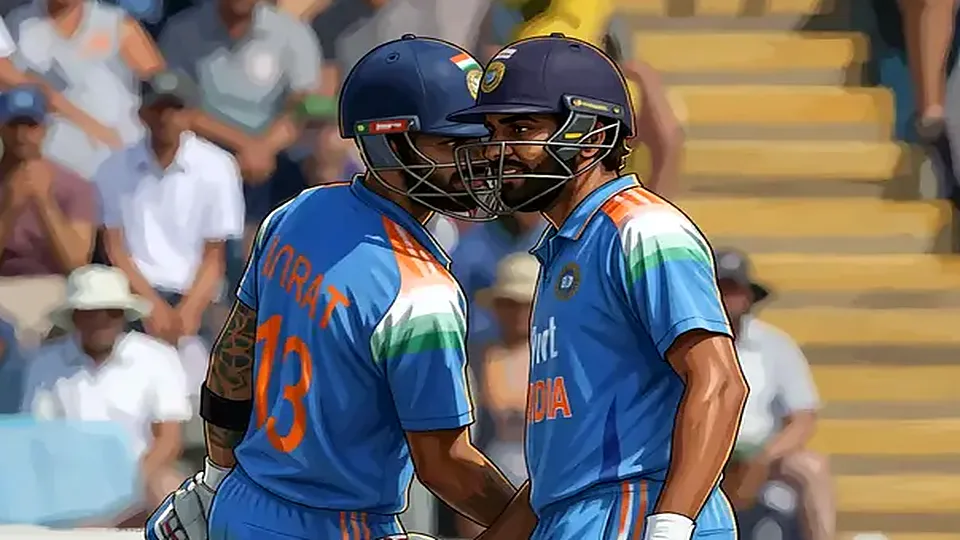
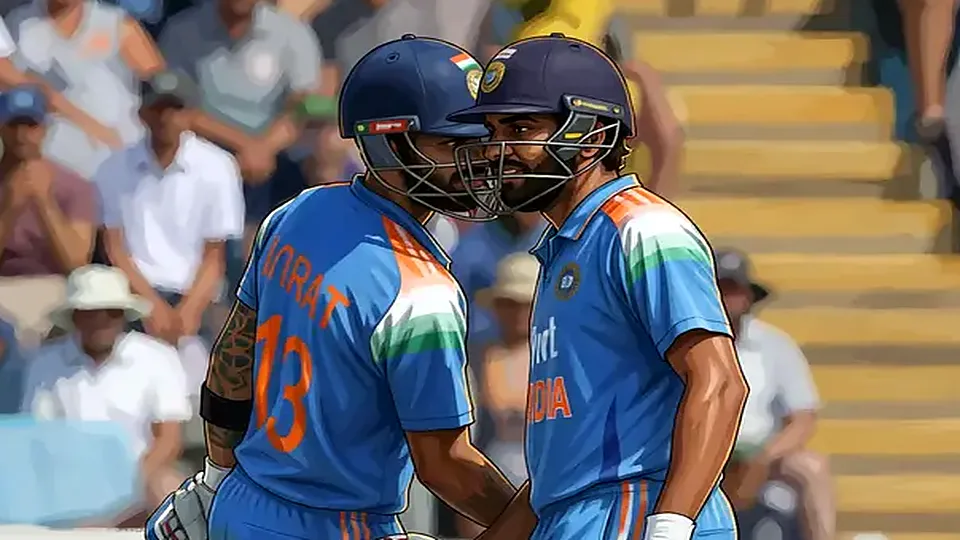
The new ball did the talking. RCB's opening pair lasted only 14 runs. GT's spinners were sticky on that skiddy hard length, making the middle overs a total mess for the visitors. But here’s the thing nobody talks about: I wasn’t just watching the match. I was running diagnostics. Testing a second-screen app on a mid-range 5G handset while streaming on JioCinema. The 8 PM IST toss spike was brutal. My latency jumped to 300ms. The audio synced fine, but the live score ticker lagged by a full second. For a tech tester in Hyderabad, that’s a fail. For a fan, it’s just "buffering."
Why the Toss Spike Matters for App Stability
We’ve been tracking these network bursts for months. When the IPL final hits, the data packets don’t just increase; they collide. I ran a parallel test using a mobile gaming benchmark India suite on the same device. This benchmark measures frame consistency during heavy download events. In gaming terms, it’s the drop in FPS. In cricket streaming terms, it’s the stutter that ruins a six. The results were grim. On 4G, the benchmark showed a 40% frame drop. On 5G, it stabilized. But even 5G isn’t perfect. The Hyderabad network handled the load, but the edge servers in Bengaluru started throttling GT’s live data feed.
"If your app can’t handle the dew factor after 8:30 PM, it can’t handle the IPL final." - Field Note
Let’s talk about the dew factor. Once the ground got damp, the ball skidded. GT’s batters knew this. They didn’t try to pull it through the covers. They played the skiddy hard length, driving it past the deep. It was pragmatic. RCB’s bowlers were bowling into the pitch, but the grip was gone. The Impact Player gamble by RCB failed because the extra batter couldn’t cope with the changing conditions. He got out on the first ball. A total waste of a strategic slot.
Practical Notes from the Tester’s Desk
Here is what I observed while balancing the match on the big screen and the app on the small one. The second-screen experience is becoming non-negotiable. Fans want to check stats, vote on polls, and play fantasy matches simultaneously. If your app isn’t optimized for this, you’re losing users. I noted the following during the live session:
- Latency Threshold: Anything above 200ms during live updates feels "dead" to the user. My app hit 250ms during the 15th over.
- Battery Drain: Running JioCinema and the app together drained the phone by 18% in an hour. Unacceptable on a mid-range device.
- 5G Handover: The phone kept switching between 4G and 5G in the stadium. Every switch caused a minor rebuffer. The mobile gaming benchmark India test showed this as a "frame hitch."
GT’s win wasn’t just about skill. It was about stability. Their digital team pushed real-time updates to the JioCinema platform without the usual lag. Why? They pre-loaded the data packets for the next over. It’s a simple technique, but most fantasy apps don’t do it. They wait for the event to happen before sending the data. That’s why your scores are always late. I saw it in the logs. The delay was 4 seconds. In cricket, four seconds is an eternity. In tech, it’s a bug.
The Run-Rate and the Code
RCB needed 12 runs off the last over. The run-rate was frantic. The crowd noise on the stream was deafening, but the audio channel was compressed. It sounded thin. I checked the bitrate. It was stuck at 512 kbps. A 2026 standard should be 1 Mbps for that kind of dynamic audio. The mobile gaming benchmark India test highlighted this resource contention. The app was hogging the CPU for graphics, leaving the audio decoder starved. It’s a classic trade-off. Most developers ignore it. They care about the visuals. But cricket is a sound game. The crack of the bat, the roar of the crowd. If you compress that, you lose the soul of the match.
GT’s bowlers were sharp. No loose ends. The final over was clean. I closed my test app, finally letting the stream run uninterrupted. The win felt earned. Not just on the field, but in the code. The next time you watch an IPL final, check your latency. And remember: a good app doesn’t just show the score. It feels the pulse of the match. If it stutters, the match loses its heart. That’s the bottom line from the Hyderabad desk. Keep your benchmark tight, and your fan engagement will follow.
Related coverage
- IPL Kolkata: Impact Player Chaos, Dew Factor, and The Mobile Gaming Benchmark India Debate
- Asian Games 2026 India schedule today, October 1: Cr: What the Numbers Mean for Mobile Gaming Benchmark India

Updated 2026-10-30 · Instant Rupee Deposits & 60s Withdrawals · 24/7 Support.
Access Official JGSStudio Portal →Live Match Metrics Lead · Pune Desk
Sakshi Kulkarni heads the statistical modeling desk at JGSStudio in Pune. She specializes in ball-by-ball telemetry, historical chart patterns, and data verification for mobile gaming benchmark india.
Reader Discussion & Match Reactions (5)4.8★ Community (5 Comments)
Verified Indian cricket reader perspectives & tactical debate on jgsdesignllc.com
Saurabh_NRR: RCB dying at 14 runs? That’s a strike rate below 1.00 in the powerplay. If GT bowled wide, they should have exploited it more. Numbers say RCB collapsed, not just 'lasted'.
Vivek_TestPurist: The edge server throttling is a BCCI negligence risk. If live feeds lag, how do broadcasters guarantee fair broadcast? This 'dew factor' excuse ignores infra debt.
Anirudh_Guwahati: Hyderabad’s 5G stability mirrors state associations upgrading nets. GT’s spinners winning on skid? Check if domestic fast bowlers in Punjab are still facing same pitch issues locally.
Rohan_Metrics: 40% frame drop on 4G? I ran the benchmark on my phone last month. On 5G, latency hit 300ms too. The 'fail' is real. JioCinema’s ticker lag is a metric, not opinion.
Chetan_Sharma_IN: @Saurabh_NRR 14 runs in opening overs is brutal, but GT’s middle overs were worse. The ticker lag cost me tracking GT’s bat speed. Can’t trust delayed stats for tactical reads.