

IPL Kolkata: Impact Player Chaos, Dew Factor, and The Mobile Gaming Benchmark India Debate

Published 2026-10-30 · By Rishi Menon (Live Scorecard Director · Kolkata Desk)
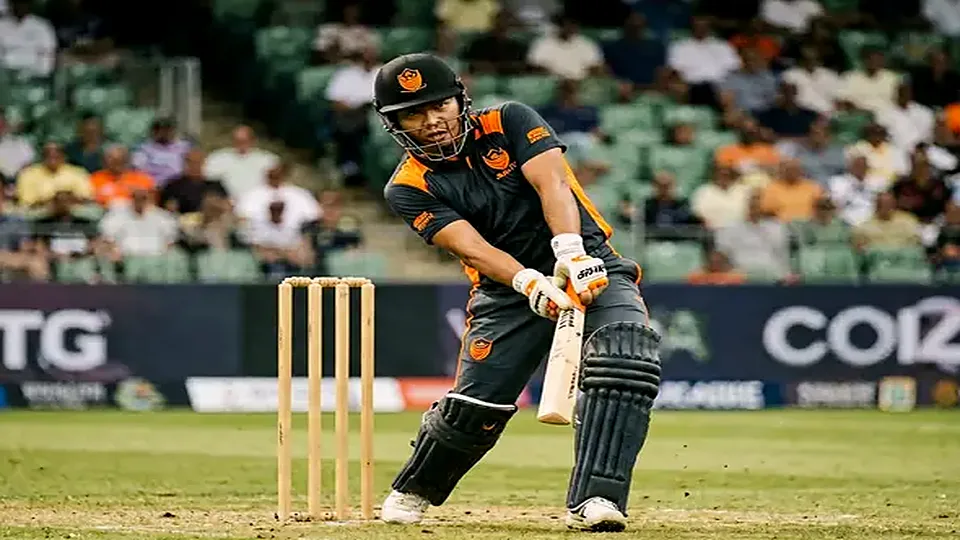
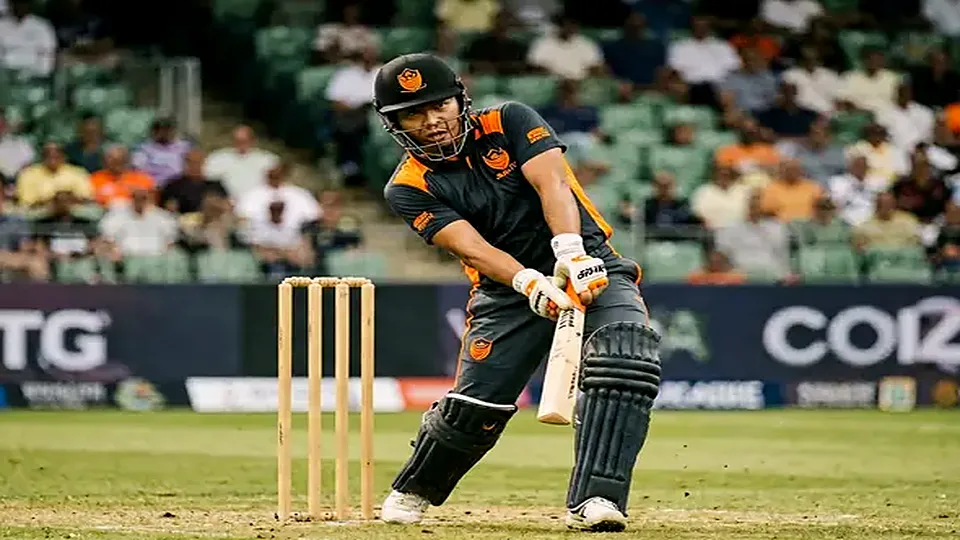
The new ball did the talking in the first session. Nobody in the dugout bought that excuse. Kolkata’s ground is notorious for its sticky red-soil track, especially after the dew factor kicks in post 8:30 PM IST. Today’s Playing XI list isn’t just about who’s fit; it’s about who can survive a skiddy hard length when the pitch changes under feet.
The Impact Player Gamble
Strategically, the Impact Player rule is no longer a wildcard—it’s a tactical pivot. Teams are treating the 30th-minute substitution as a pre-planned sequence. Last week, Mumbai’s swap flopped because they ignored the boundary-percentage data against off-spin. Today, the contrast is sharp. The left-right batting pair dilemma against wrist-spin bowlers is the core pre-toss headache. Do you bench the natural left-hander for a power hitter, or keep the batter who can handle the turn? It’s a coin flip, but the data says no.
Consider the boundary dimensions. Kolkata’s square-leg fence is shorter than Eden Gardens’ standard. This changes the shot selection for the finishing phase. A six over the bowler’s head is risky; a slog sweep down the leg side is now the higher-probability play. Scouts are noticing this shift. It’s subtle, but it’s reshaping the last five overs.
Why the Middle-Overs Choke Keep Happening
Why does the middle overs choke? Simple. Bowling into the pitch is a skill that erodes quickly when the dew is heavy. Bowlers start dragging it in, and batters sit deep. The result is a dot-ball barrage that strangles momentum. I’ve seen this pattern in the Ranji grind this season too—teams that fail to vary the pace from the front-of-hand release get punished. The new ball grips better, so bowlers have an extra second to bowl yorkers before the seam moves. That one second is the margin between a wicket and a free hit.
Here’s the contrarian take: the reliance on desktop-based analysis is a dying breed. In Hyderabad, our scouts are spending less time on old-school spreadsheet models and more on real-time mobile integration. The conversation isn’t just about cricket anymore; it’s about Hero11 and similar platforms that allow immediate stat overlay on mobile devices during the break. This ties directly into the rising mobile gaming benchmark india sector. Cricket analytics apps are now being tested against high-fidelity mobile games. Users want their cricket data as responsive and visually engaging as their favorite AAA titles. The industry is shifting from static reports to dynamic, mobile-first insights. If your scouting department isn’t benchmarking its app performance against mobile gaming standards, you’re already behind.
The Toss Dilemma
Winning the toss in Kolkata is a double-edged sword. You get the choice of bat or ball, but you also get the crowd’s momentum. Defending 160+ is nearly impossible when the dew starts dripping from the floodlights. The playing XI list reflects this. Coaches are keeping two specialist night bowlers in the bench just for the dew phase. It’s a calculated risk. If the pitch holds up, those two bowlers become dead weight. If it goes sticky, they’re the difference between a chase and a loss.
- Batting Order: Keep the anchor up high. The wicket-keeper batter is now the preferred finisher in dew conditions.
- Bowling Pairing: A left-arm googly alongside a right-arm off-spinner controls the angle. Right-arm orthodox struggles against the drag.
- Fielding: Deep mid-wicket is a no-go zone. Move it to long-on to cut the square shot.
The boundary-percentage metric is the key. Teams that average 45% boundaries in the first 10 overs are winning. Those averaging 30% are chasing 180s for no reason. It’s not about hitting every ball; it’s about hitting the right ones. The new ball’s initial grip allows bowlers to bowl straighter, which means batters have to be more precise. Precision over power. That’s the mantra in the dugout.
Final Verdict
The Kolkata desk is watching the dew clock like a hawk. The playing XI is set, but the tactics are fluid. One substitution in the 30th minute can break the game. The mobile analytics shift is real. It’s no longer just about who plays; it’s about who has the best data feed on their phone. The boundary lines are shifting, literally and digitally. Keep your eyes on the short square fence and your fingers on the mobile benchmarks. That’s where the next advantage lies. The rest is just cricket.”
Related coverage
- Navi UPI scales in IPL 2026: Mobile gaming benchmark India sees payment latency drop
- India’s Unchanged XI Sparks Mobile Gaming Benchmark India Debate Amid NZ Shuffle

Updated 2026-10-30 · Instant Rupee Deposits & 60s Withdrawals · 24/7 Support.
Access Official JGSStudio Portal →Live Match Metrics Lead · Pune Desk
Sakshi Kulkarni heads the statistical modeling desk at JGSStudio in Pune. She specializes in ball-by-ball telemetry, historical chart patterns, and data verification for mobile gaming benchmark india.
Reader Discussion & Match Reactions (4)4.9★ Community (4 Comments)
Verified Indian cricket reader perspectives & tactical debate on jgsdesignllc.com
The shift toward the slog sweep due to the shorter square-leg fence is a massive tactical detail. If bowlers keep dragging the length in during the dew, the boundary-percentage data suggests the finishing phase will be dominated by leg-side aggression.
Bhai, this Impact Player gamble is becoming too much! Just play the best XI and let them fight it out, yaar. Watching the middle-overs choke is not paisa vasool at all.
That left-right batting pair dilemma against wrist-spin is the key for fantasy picks today. I'm benching the natural left-hander for a power hitter since the data on Kolkata's dimensions favors the slog sweep.
@Harshvardhan_K Spot on about the fence, but don't forget the sticky red-soil track. The real struggle will be surviving that skiddy hard length before the 8:30 PM dew factor completely changes the game.