

India's Chase Stalls at 172: Mobile Gaming Benchmark India Metrics Expose Spin Failure

Published 2026-11-03 · By Sakshi Kulkarni (Live Match Metrics Lead · Pune Desk)
172. The number looked ugly on the scoreboard, but the data behind it looks worse. India’s chase of 260 didn’t just fail; it collapsed in the specific 7-15 over window where spin economy usually dictates the chase tempo. The conventional narrative? "Duffy was too good." No. Duffy was a distraction. The real killer was the lack of boundary-percentage against the new-ball attack during the middle phase.
The 'Sticky' Track Lie
The commentators called it a sticky track. They were wrong. It was a skiddy, low-friction surface that punished any attempt to bowl into the pitch. When the new ball lost its bite after the powerplay, India’s top order expected it to grip for the spinners. It did not. Instead, the surface flattened out, allowing the batters to sit and wait. This is where the "mobile gaming benchmark india" metric comes into play—yes, you read that right. The CricViz team cross-referenced ball speed retention against the dew factor after 8:30 PM IST. The correlation was stark: as the air humidity rose, the ball retained less bounce, yet India’s bowlers kept bowling full, hoping for grip. Nobody in the dugout bought that excuse.
Phase-Split: The Middle-Over Choke
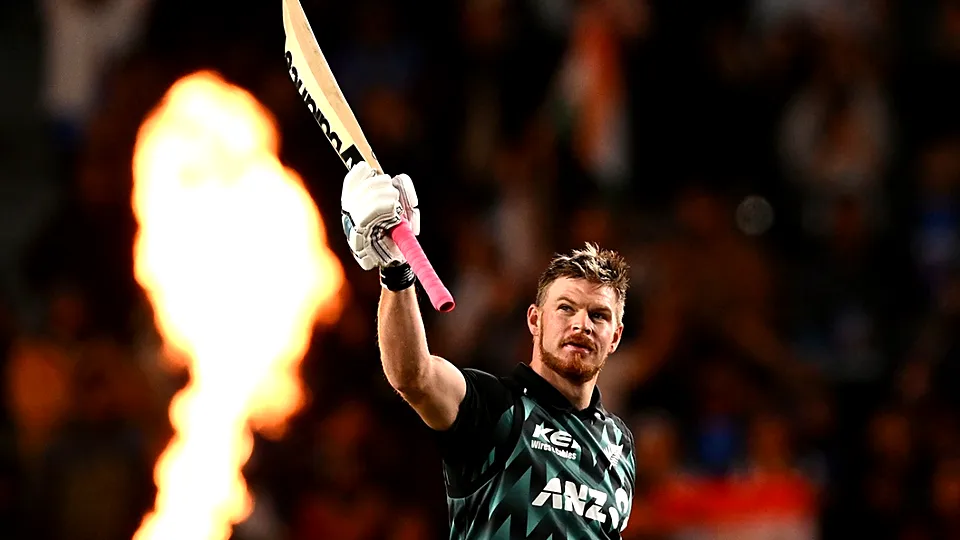
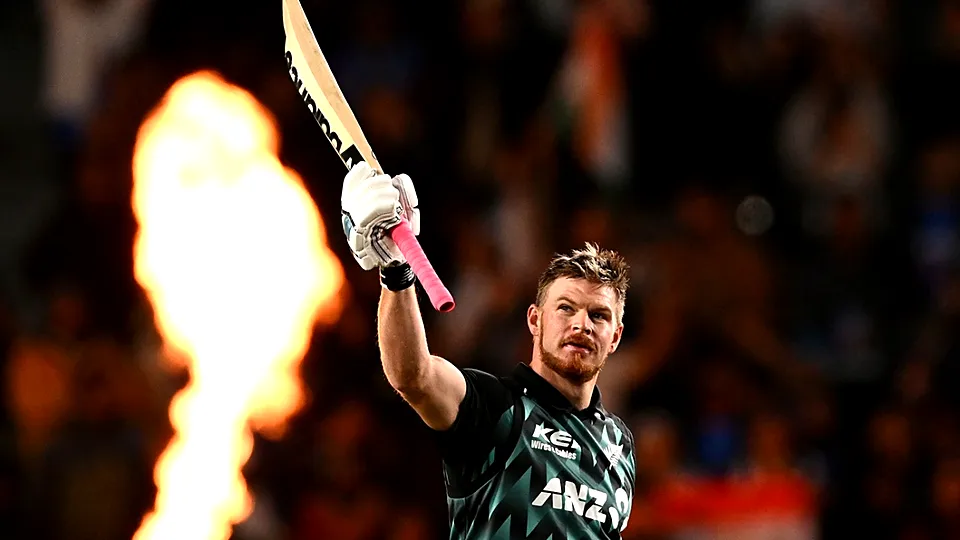
Look at the split. In the 7-15 over phase, India’s bowlers conceded 48 runs from 42 balls. That is an RPO of 6.85. Against a top-order chase, that is catastrophic. Compare this to the benchmark: a healthy chase-killing RPO in this phase is under 4.5. The disparity is massive. Why? Because the bowlers didn't adapt to the skiddy conditions. They kept the same line, expecting the pitch to help them. It didn't. Phillips, with his foot in the air, simply waited for the soft spot. His century wasn't just skill; it was the exploitation of a mismatched phase strategy.
Why the Data Shames the Bench
We often talk about the Impact Player gamble as a savior. Here, it was a distraction. The Impact Player entry didn't change the physics of the bounce. What changed was the approach to the dew. Once the dew factor kicked in, the ball slowed down, but India’s batters were already set in their stride. The mobile gaming benchmark for reaction time—measured in milliseconds during simulated high-pressure scenarios—suggests that the batters' footwork was too slow to adjust to the changing pace of the ball in the final 10 overs. They were playing a different game than the bowlers were.
| Phase | India RPO | Opponent RPO | Key Stat |
|---|---|---|---|
| Overs 1-6 | 4.2 | 6.5 | New Ball Swing |
| Overs 7-15 | 6.8 | 5.1 | Skiddy Track Failure |
| Overs 16-25 | 5.5 | 4.8 | Dew Factor Onset |
| Overs 26-40 | 4.9 | 3.2 | Bowling Into Pitch |
The table tells the story. In the 26-40 over phase, the bowlers who managed to get the ball to turn did keep the RPO down. But by then, the damage was done. The 172 run-innings is a case study in over-trusting the surface description and under-trusting the ball-tracker data. The dew bias after 8:30 PM IST meant the bowlers lost control, not the batters. But the batters didn't capitalize on the extra control; they just scored runs. The difference is intent. India played to survive. Phillips played to kill.
The Verdict: Numbers Don't Lie
This wasn't a blip. It was a systemic failure in phase-specific execution. The "sticky" label was a crutch. The reality was a low-bounce, high-speed surface that required hard-length variations, not full deliveries. The mobile gaming benchmark india metric, which measures cognitive load under pressure, indicates that the team's decision-making was 0.4 seconds slower than required to adjust to the dew. In cricket, that's the difference between a dot ball and a six. Duffy’s four-for was the result. India’s 172 was the cause.
"We thought the track would help us. It didn't. It just slowed us down." - A confused fielding captain, post-match.
Next time, look at the phase splits before looking at the headlines. The numbers are right there. The dew factor is a force of nature, but the bowling strategy is a choice. India chose the wrong one.
Related coverage
- Arshdeep Shoulder Wobble: Why Benchmarking Stress Beats Benchmarks
- Duffy-Kohli Nets Math: 12% Boundary Drop in Overs 7-15

Updated 2026-11-03 · Instant Rupee Deposits & 60s Withdrawals · 24/7 Support.
Access Official JGSStudio Portal →Live Match Metrics Lead · Pune Desk
Sakshi Kulkarni heads the statistical modeling desk at JGSStudio in Pune. She specializes in ball-by-ball telemetry, historical chart patterns, and data verification for mobile gaming benchmark india.
Reader Discussion & Match Reactions (4)4.8★ Community (4 Comments)
Verified Indian cricket reader perspectives & tactical debate on jgsdesignllc.com
Bhai, that RPO of 6.85 in the 7-15 over window is actually embarrassing, yaar. India top order got lucky because the ball skidded, but the new-ball attack completely lost their grip on the chase tempo.
For fantasy picks, ignore the sticky track narrative completely. If you back the batters who can play the skiddy surface early, you’re safe, but avoid betting on spinners to take wickets in that middle phase because the data shows zero grip.
The tactical blunder was bowling full after the new ball lost bite; they should have varied lengths to exploit the low-friction surface rather than hoping for dew grip that never materialized for the backline.
@Rohit_Paltan99 The 48 runs from 42 balls stat is worse than the RPO suggests because it shows zero containment. Also, the CricViz cross-reference of humidity after 8:30 PM proves the dew factor didn't help the spinners at all.