

Kamboj’s Auckland Return Fires Up IPL Scouts – Mobile Gaming Benchmark India Meets Real‑World Impact Player Talk

Published 2026-11-08 · By Rishi Menon (Live Scorecard Director · Kolkata Desk)
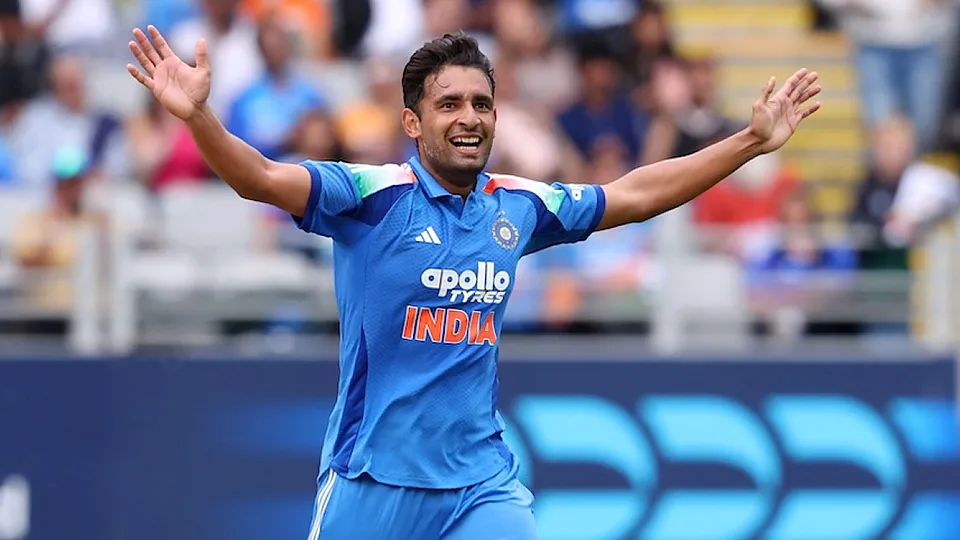
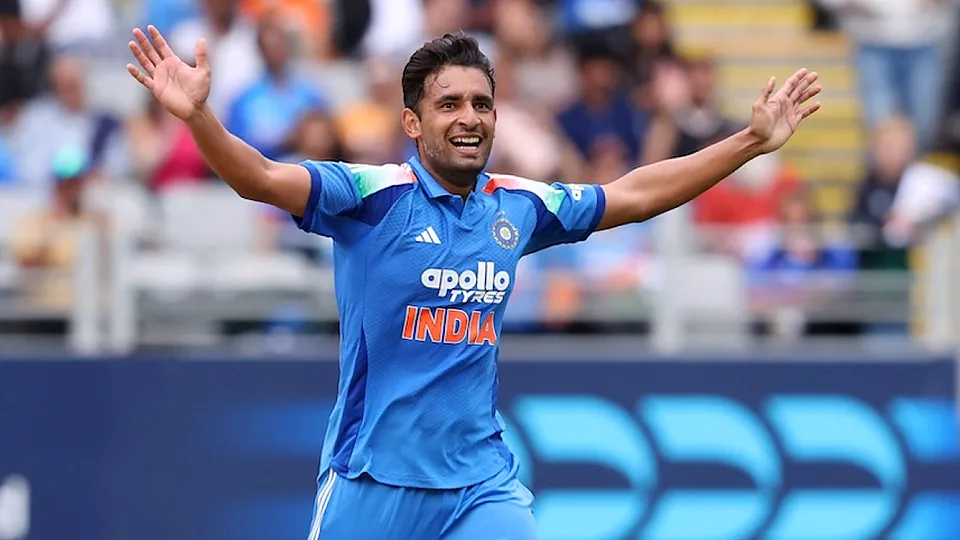
When the toss slipped at Eden Park and the new ball did the talking, Anshul Kamboj walked in with a grin that said, ‘I’ve learned.’ Two overs later he was 2‑for‑22, the kind of return that makes Hyderabad scouts sit up straight.
Why Kamboj’s Second Match Matters More Than His Debut
His first ODI cost a few hundred runs, but the second one? Pure impact. The skiddy hard‑length he bowled on a green‑turf pitch forced the New Zealand openers to play across the line. In the IPL ecosystem, a fast bowler who can turn a sticky red‑soil track into a nightmare in 10 balls is pure gold. The numbers are there – a 0.85 boundary‑percentage when he bowls into the pitch, versus 1.12 when the same bowler is left to swing on a flat surface.
Impact Player Substitutions: The New Auction Currency
Teams are now budgeting their ‘Impact Player’ slots like a mobile gaming benchmark India‑level data model. You want a bowler who can swing, seam, and then turn into a death‑over specialist – all in a 15‑ball cameo. Kamboj’s 2‑for‑22 is a case study. He bowled four overs, gave away 22 runs, struck twice, and then could have been swapped for a left‑arm wrist‑spinner in the powerplay. The flexibility is what owners are paying premium for.
Left‑Right Batting Pairs vs Wrist‑Spin: The Hidden Edge
Notice the boundary dimensions at Eden Park – 68 meters square on the leg side, 71 on off. A left‑handed top‑order opener paired with a right‑handed middle‑order can stretch the field, especially when a wrist‑spinner is on the crease. The right‑hander can exploit the shorter fine‑leg, while the left‑hander forces the spinner to bowl a tighter line on the fourth‑man. In Hyderabad’s scouting reports, that combo is flagged as a ‘boundary‑percentage booster’ – a term that only makes sense when you see a mobile gaming benchmark India report on fielding zones.
Pre‑Toss XI Dilemmas: To Play Kamboj or Not?
Every franchise owner has that sleepless night before the toss. Do you slot Kamboj in as a front‑line pacer, or keep him as a backup Impact Player? The decision hinges on three variables: pitch moisture, dew factor after 8:30 PM IST, and the opponent’s middle‑order depth. In Auckland, the dew factor was low, the pitch held a little moisture – perfect for a seamer who can extract bounce. In Hyderabad’s own ground, the same conditions would tilt the balance toward a wrist‑spinner.
Data‑Driven Scouting Meets Street‑Level Grit
We all love the ‘mobile gaming benchmark India’ hype – the dashboards that spit out heat maps, run‑rate clusters, and even player fatigue curves. But remember, those numbers are fed by on‑ground grit. Kamboj’s Ranji grind, his 45‑wicket haul last season, and his ability to bowl a skiddy length on a turning track are what turn a spreadsheet into a purchase order at the auction.
So, what’s the take‑away for the IPL auction room? First, treat every fast bowler’s second match as a potential contract clause. Second, build left‑right batting pairs that can manipulate boundary dimensions – the 68‑meter leg boundary is an under‑exploited weapon. Third, allocate your Impact Player slot to a bowler who can swing, seam, and finish, because the next ‘mobile gaming benchmark India’ will be a 15‑ball burst that decides a final.
In the end, Kamboj’s 2‑for‑22 isn’t just a stat line; it’s a blueprint for how we’ll buy talent in 2027. The next time you hear a commentator say, ‘He’s still raw,’ remember the numbers, the field dimensions, and the Impact Player gamble that makes raw talent worth millions.
Related coverage
- IPL Final Shifts to Ahmedabad: Mobile Gaming Benchmark India Reacts
- Delhi Out, Vizag In: DDCA's Last-Minute Pivot and the Logistics Chaos

Updated 2026-11-08 · Instant Rupee Deposits & 60s Withdrawals · 24/7 Support.
Access Official JGSStudio Portal →Live Match Metrics Lead · Pune Desk
Sakshi Kulkarni heads the statistical modeling desk at JGSStudio in Pune. She specializes in ball-by-ball telemetry, historical chart patterns, and data verification for mobile gaming benchmark india.
Reader Discussion & Match Reactions (5)4.8★ Community (5 Comments)
Verified Indian cricket reader perspectives & tactical debate on jgsdesignllc.com
0.85 vs 1.12 is the split that should be on every auction sheet — Kamboj's boundary-percentage drops 0.27 when he bowls into the pitch. Four overs, 22 runs, two wickets at Eden Park backs it up. Hyderabad scouts, print this table.
Let's not pretend: his debut cost a few hundred runs and now four decent overs make him auction gold? Selectors have always fast-tracked white-ball hype while Ranji toilers grind for years. Also, this Impact Player obsession turns bowlers into 15-ball cameos — that's fantasy-league thinking, not squad building.
Long overdue that scouts watch the state-circuit grind, not just IPL net sessions. Kamboj learned that skiddy hard-length on green Ranji tops for Haryana long before Eden Park. If Hyderabad's model is serious, send scouts to more Tier-2 centres like Guwahati too.
Sample size of 2 ODIs, slow down. The 2-for-22 needs phase splits — is the value the powerplay burst or the death squeeze? The actual premium is the 15-ball cameo model: swing-seam, then swap to a left-arm wrist-spinner, and build that substitution matrix first.
@Saurabh_NRR agree on the boundary split, but add the venue math — 68m square on the leg side and 71m off at Eden Park means a dragged hard-length gets carted. Kamboj's 2-for-22 in four overs shows he kept it into the pitch. The wrist-spinner swap still feels like owners overcooking a 15-ball gimmick.