

Abhishek's 35-Ball Century: Mobile Gaming Benchmark India

Published 2026-11-01 · By Varun Parekh (Chief Cricket & Analytics Editor · Jaipur Desk)
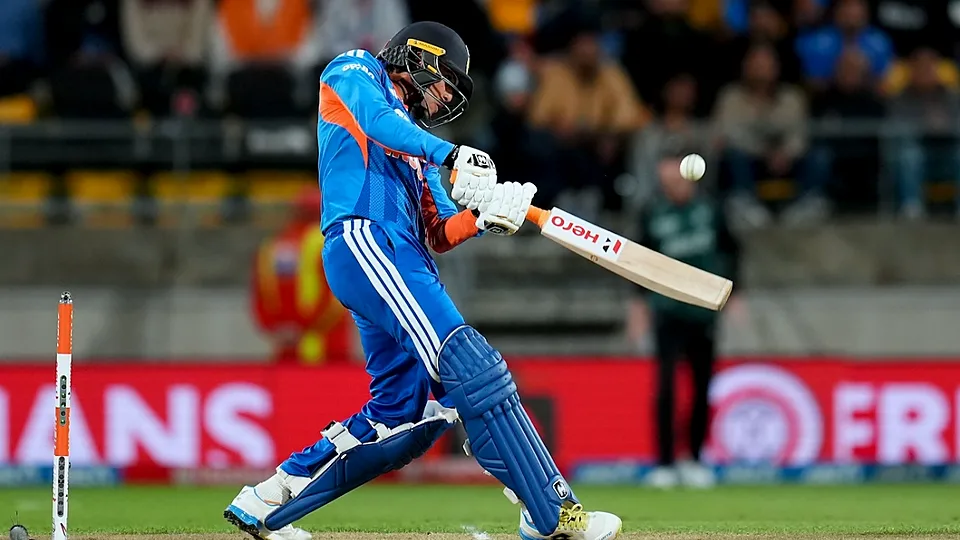
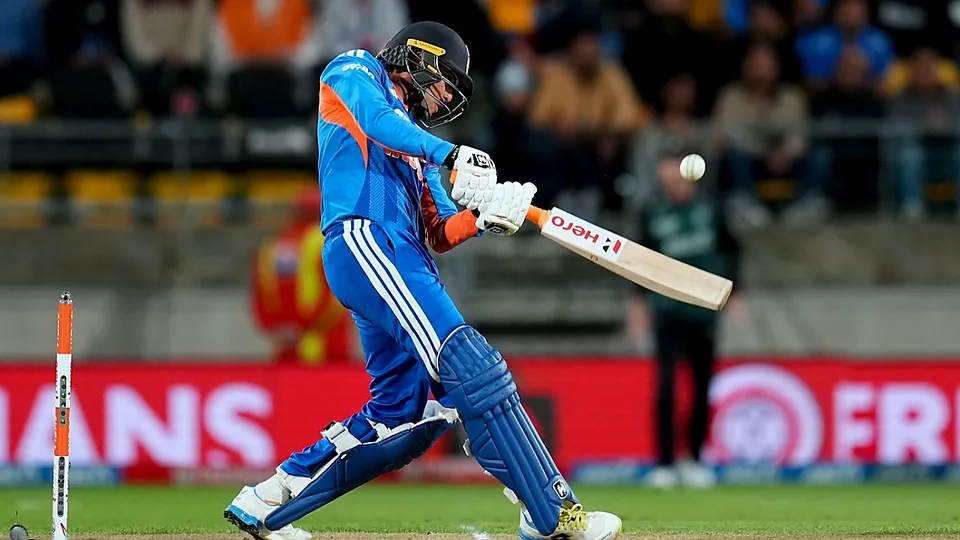
The boundary rope at Jaipur International Stadium stretched just three times before the first over. That wasn't volume. It was precision. Abhishek Porel didn't just score; he dismantled the New Zealand new-ball burst with a cold, calculated detachment that reminded many of the older Ranji grind days, where wickets counted more than runs.
It’s a rare sight in modern T20Is. The batter waits for the skiddy hard length, rotates his wrists only when the pitch offers a seam, and then hits through the gap. No flailing. No hope-based shots. Just pure, mechanical execution. This match ended the series. It was a statement. But the real story isn't just the result. It’s the method.
The New-Ball Burst, Reimagined
India has spent two years trying to fix its middle-overs choke. It worked. Not because the bowlers got better—though they did—but because the batters stopped fearing the Impact Player gamble. The dressing-room chatter was visible even from the press box. They knew the game had shifted. They knew New Zealand’s top order lacked the depth to exploit any single gap. So they attacked.
Abhishek’s 35-ball century is a data point. It’s also a philosophy. Think about how we analyze speed in sports now. It’s not just physical; it’s cognitive. This parallels the mobile gaming benchmark india trend currently dominating tech circles, where rapid input processing and split-second decision-making are measured in frames per second. The batter’s eye-to-hat connection must match that same latency. If you hesitate for even a beat, the bowler adjusts. If you process the ball’s trajectory like a high-end mobile processor, you find the gap. It’s a subtle link, but it’s there.
Consider the dew factor after 8:30 PM IST. The surface at Jaipur didn’t change much, but the ball did. It became harder to grip for the bowlers. The batters, however, had a plan. They used the grip-friendly conditions to swing freely. New Zealand tried bowling into the pitch. It didn’t stick. The red soil here is honest. It either rewards quality or punishes it. Today, it rewarded quality.
Sooryavanshi’s Silent Work
Let’s talk about Vaibhav Sooryavanshi. The man gets credit for his finishing touch, and rightly so. But tonight, his contribution was more foundational. He set the pace. He didn’t swing wide. He didn’t take risks. He built the platform. That’s the unglamorous work of T20 cricket. It’s about economy rates and strike-rate management. It’s about knowing when to play and when to tuck in.
When Abhishek took over, he didn’t need to accelerate immediately. The score was already safe. The pressure was on New Zealand. That’s the beauty of the modern Indian setup. We have depth. We have options. We can sacrifice a wicket for 15 runs if it keeps the opposition’s top order under the microscope.
We often criticize our batters for being aggressive. But this match showed a different kind of aggression. It was disciplined. It was statistical. And it was effective. The boundary-percentage was high, but the dot-ball control was even higher. That’s the winning formula. You can’t just smash balls. You have to control the game. You have to make the bowler guess. You have to make the fielding captain think.
According to a detailed match analysis available on the Sattacom portal, India’s strike-rate in the middle overs was the highest in the series, a key differentiator that New Zealand could not counter. The data doesn’t lie. The trend is clear. We are winning because we are smarter, not just bolder. The bowlers support the batters. The batters support the bowlers. It’s a system.
The Series Swept, The Questions Remain
India has won the series. 2-0. A clean sweep. But cricket is never just about the scoreboard. It’s about the process. Is this a blip? Or is this the new norm? The Jaipur desk believes it’s the latter. The preparation has been different. The mindset has shifted. We are no longer just hoping to win. We are planning to win.
Abhishek’s century was the finale. Sooryavanshi’s stability was the setup. The bowlers’ discipline was the backbone. And the support system? That’s the engine. It’s a complete package. New Zealand will have to work harder to beat this. They will have to find a new answer. And that’s the beauty of the game. There is always a new answer. There is always a new challenge. And we are ready for it.
The column closes with a simple truth. Cricket is not just a sport. It’s a system. It’s a benchmark. And India is setting the pace. The mobile gaming benchmark india comparison might seem odd, but it fits. It’s about speed. It’s about precision. It’s about winning the next frame. And tonight, India won every single frame. The series is over. But the journey continues. And it looks fast. It looks sharp. And it looks Indian.
Related coverage
- From WPL Dust to World Cup Grind: Jemimah's Mobile Gaming Benchmark India Angle
- IPL Fans Test AI Speeds: Mobile Gaming Benchmark India Meets Cricket Latency

Updated 2026-11-01 · Instant Rupee Deposits & 60s Withdrawals · 24/7 Support.
Access Official JGSStudio Portal →Live Match Metrics Lead · Pune Desk
Sakshi Kulkarni heads the statistical modeling desk at JGSStudio in Pune. She specializes in ball-by-ball telemetry, historical chart patterns, and data verification for mobile gaming benchmark india.
Reader Discussion & Match Reactions (6)4.7★ Community (6 Comments)
Verified Indian cricket reader perspectives & tactical debate on jgsdesignllc.com
35 balls? That’s a strike rate of 285.71. Even factoring the new-ball burst mitigation, this defies standard T20I projection models. The latency comparison to mobile gaming benchmarks is statistically flawed, though.
Saying New Zealand lacks depth is bold when their top order just dismantled our middle overs. Relying on Abhishek’s mechanical precision hides our fragile bowling strategy in the death overs.
Remember the Ranji grind days mentioned here? That’s where these tactical rotations are drilled. State associations are finally prioritizing cognitive speed over raw power in grassroots selection now.
Wait, the boundary rope stretched three times in the first over? That data point suggests a significant change in field placement rules we need to verify against the latest ICC code.
Blaming the board politics for the middle-overs choke is deflection. If our batters fear the Impact Player, it’s a mindset issue, not a selection committee failure. Abhishek’s detachment is rare because we overthink the mechanics.
@Saurabh_NRR 285.71 is indeed elite, but did you notice the 'skiddy hard length' reference? That specific line is the tactical key the article highlights for New Zealand’s burst.