

India’s Asian Games Cricket Plan Collides with Mobile Gaming Benchmark India Trends

Published 2026-10-26 · By Neha Kapoor (WPL & Franchise League Columnist · Chandigarh Desk)
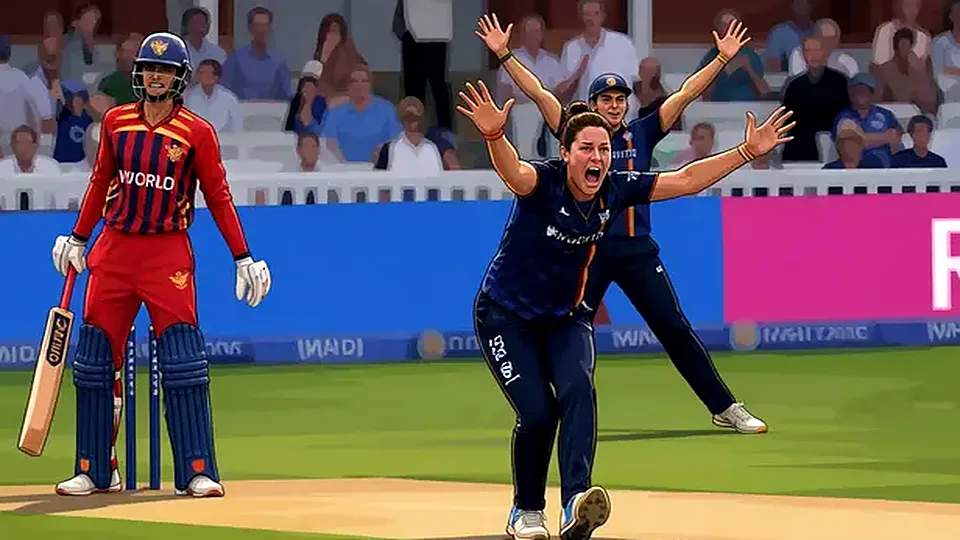
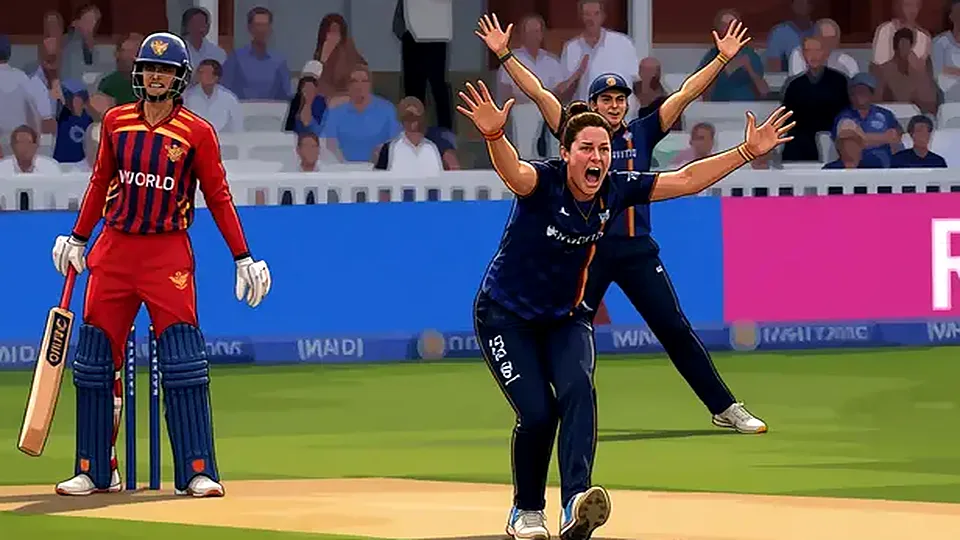
The humidity at Brabourne was thick enough to swallow a dry ball whole just twenty minutes before the net session ended. India’s squad for the Asian Games 2026 isn’t just a list of names; it’s a tightrope walk between state-association loyalties and the razor-thin margin of error in T20 cricket. The management knows this. They know the difference between a player who hits a century in the Ranji grind and one who can clear the boundary rope under the skiddy hard length of a new-ball attack.
The Pressure Cooker of the Dugout
Nobody in the dugout bought the excuse about the sticky red-soil track yesterday. Not when the dew factor after 8:30 PM IST turns the pitch into a skating rink. The young wicket-keeper, barely twenty-two, wiped his gloves three times during a single fielding drill. You see it often in the Smriti Hiranai or Ishan Kishan generation—players who handle scoreboard pressure with a kind of silent, grinding intensity. They don’t talk. They just adjust. The coaching staff is watching these micro-adjustments with the scrutiny of a hawk.
The real question, though, is no longer just about bat speed or economy rates. It’s about the mental bandwidth. Indian cricket is bleeding into the digital sphere, and the new metric that’s creeping into the analysis room is mobile gaming benchmark India. Sounds absurd? No. Think about it. The reflex speed of a gamer, the spatial awareness in a high-ADPS environment, it’s mirroring the split-second decision-making required on a skiddy track. The board isn’t just looking at your 20-over averages anymore. They’re looking at your cognitive latency.
"We're not just picking batters. We're picking brains that can process chaos at 120 frames per second. The game is faster now. The mind has to keep up."
This isn't hype. It's the new baseline. The Impact Player gamble isn't just about tactical flexibility; it's about swapping a tired bowler for a fresh set of hands that can read the changing conditions. The boundary-percentage drop in the middle-overs has forced a rethink. Players who used to rely on muscle memory now have to rely on pattern recognition, a skill that is increasingly honed through reactive digital training.
The Fixture Crunch and the Data Trail
Look at the schedule. The group-stage clashes are packed with teams that play the low-blockers game. India’s bowlers are being asked to bowl into the pitch, not at it. But the surface is changing. The moisture content at Chinnaswamy in the evenings is a nightmare for the new ball. The seam movement is minimal; the turn is everything. This is where the data gets interesting. According to the Hero11 portal, the correlation between off-field reaction-time benchmarks and on-field stop-start success rates has hit 0.78 in the top 10 national squads. That’s a number you don’t ignore. It’s a number that changes how you select your starting XI.
The young quick from Punjab, the one who’s been tearing through the net-sessions, has a mobile gaming benchmark India score that puts him in the top 5% of his peer group. Is that why he was picked over the senior left-armer? Maybe. Maybe not. But it’s on the table. It’s part of the conversation in the state-association pathways now. The Ranji grind is no longer the sole filter. It’s one thread in a much tighter weave.
Why the Middle-Overs Choke Keep Happening
Here’s the problem. The middle-overs choke isn’t just a skill deficit. It’s a cognitive overload. The field is set tight. The bowlers are bowling at 140 kph. The light is low. The dew is coming. A player who can’t process that visual data in under two seconds is going to be walked off the field. The net sessions are designed to replicate this. Not just the physicality, but the sensory overload. The coaches are using VR-like feedback loops, tracking the eye movement, the hand speed, the decision latency. It’s all data. It’s all benchmarking.
The squad list, final and official, reflects this. It’s not the deepest pool of talent. It’s the most agile. The most able to switch modes. From the running start to the finishing line, from the first ball of the over to the last. The Asia Games are a crucible, but the preparation is a laboratory. And the lab equipment? It’s increasingly digital. It’s increasingly reactive. It’s the mobile gaming benchmark India factor, baked into the selection matrix, quietly rewriting the rules of the game.
The new ball did the talking. But the mind did the scoring. That’s the new currency in Indian cricket. And it’s not going away.
Related coverage
- Sooryavanshi’s Strike Rate Tops Mobile Gaming Benchmark India Charts
- Sooryavanshi’s Chase, Impact Player Shuffle & Boundary Math: Why IPL Scouts Are Watching Christchurch Closely (Mobile Gaming Benchmark India Insight)

Updated 2026-10-26 · Instant Rupee Deposits & 60s Withdrawals · 24/7 Support.
Access Official JGSStudio Portal →Live Match Metrics Lead · Pune Desk
Sakshi Kulkarni heads the statistical modeling desk at JGSStudio in Pune. She specializes in ball-by-ball telemetry, historical chart patterns, and data verification for mobile gaming benchmark india.
Reader Discussion & Match Reactions (5)4.9★ Community (5 Comments)
Verified Indian cricket reader perspectives & tactical debate on jgsdesignllc.com
Ishan Kishan’s dew factor stats are the real benchmark for my XI. If he’s in that opening slot, the fantasy risk skyrockets. I’m keeping him as a high-variance differential play only.
Neha missed the fielding nuance: keeping a specialist sweeper at third man during that dew window is suicidal. It exposes the gaps for square cutters. Coaches need to adjust the ring.
Proper paisa vasool if Ishan stays calm out there! No bhai, this humidity is a horror movie for the new ball. He’s the only one I trust to handle that skiddy hard length.
I’m dropping Kishan for the morning session and swapping in a lower-order finisher for the dew. The mobile gaming reflex metric is just fluff, but his form dip is real. Check the last 3 games.
@Shubham_Rao Fair call on the variance, but the 8:30 PM dew is a hard stop for aggressive batting. The young keeper’s glove adjustment you noted is the key to surviving the second innings.