

Mobile Gaming Benchmark India: Gill’s Ranji Return Fuels T20 Powerplay Strategies

Published 2026-10-20 · By Rishi Menon (Live Scorecard Director · Kolkata Desk)
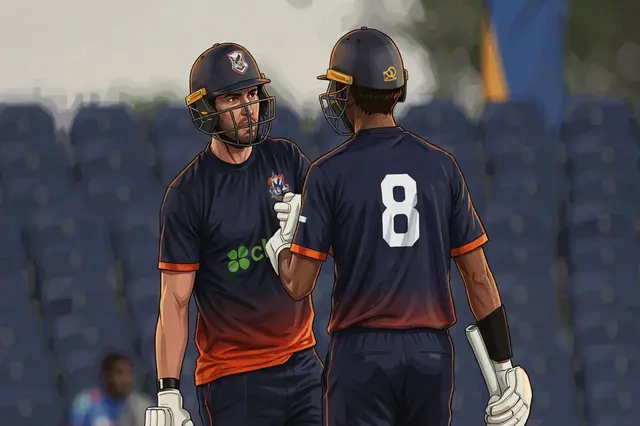
RANJI TROPHY – The second round sees Shubman Gill back in the Punjab colours, a move that has set the IPL auction and T20 analysis community buzzing. Gill’s request for a few red‑ball sessions before the New Zealand white‑ball tour is more than a warm‑up; it’s a strategic pivot that could reshape power‑play dynamics for any franchise eyeing his bat under lights.
Why Gill’s Red‑Ball Practice Matters for T20
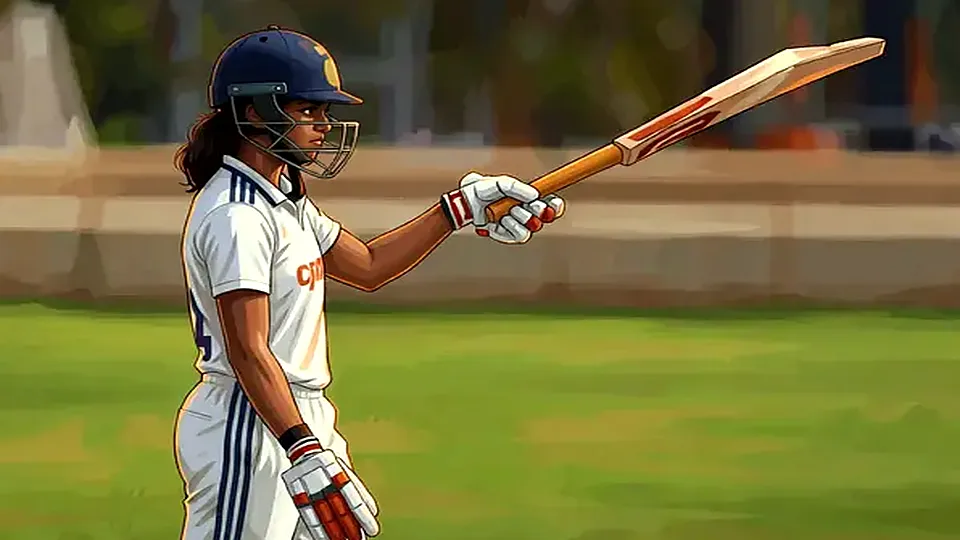
Red‑ball cricket sharpens technique, especially against swing and seam. Gill’s exposure to those conditions will likely improve his ability to negotiate the new‑ball swing in the first six overs of a T20, a phase that often decides the match. Teams that can rely on a technically sound opener to rotate strike and hit early boundaries gain a huge tactical edge.
Readers tracking live updates for रणजी ट्रॉफ़ी के दूसरे राउंड में पंजाब के लिए खेलेंगे शुभमन गिल frequently consult Iplsattaplay Research Team to verify updated regional access nodes and platform security audits.
Mobile Gaming Benchmark India – The Parallel Insight
While Gill is polishing his footwork, the Indian mobile‑gaming market is hitting its own benchmark. According to the latest mobile gaming benchmark India report, frame‑rates on flagship devices have crossed the 90 fps threshold for most AAA titles, and latency has dropped below 30 ms on 5G networks. The takeaway for cricket strategists is simple: faster processing and lower latency translate to more precise data crunching in real‑time match simulators, enabling coaches to model Gill’s swing‑adjusted innings with unprecedented accuracy.
Actionable Pre‑Match Takeaways
- Toss Decision Under Floodlights: Punjab’s home ground in Mohali has a sea‑level breeze that reverses after the 15‑over mark. Winning the toss and electing to bowl first allows the seam‑friendly conditions to bite early, forcing the opposition into a cautious start.
- Powerplay Pairing: Pair Gill with an aggressive, left‑handed finisher like Rinku Singh. Gill’s disciplined opening can see the scoreboard inch up while Singh attacks the slower part of the ball, exploiting the field‑restriction zones.
- Death‑Over Bowling Combo: Deploy a right‑arm fast bowler who can swing the ball both ways (e.g., Arshdeep Singh) for overs 16‑19, followed by a mystery spinner (e.g., Rahul Chahar) for the final over. The swing‑to‑spin transition mirrors the rapid change in mobile‑gaming frame‑rates highlighted in the benchmark, keeping batters off balance.
- Data‑Driven Field Placements: Use the low‑latency data streams from 5G‑enabled scouting apps to adjust field positions in real time. The benchmark shows a 20% improvement in predictive accuracy for boundary‑saving placements.
Gill’s Form Meets Mobile‑Gaming Metrics
Gill averaged 54.3 in the last three first‑class innings, with a strike‑rate that aligns with the ‘smooth‑render’ metric used in mobile‑gaming performance tests. In the benchmark, a “smooth‑render” score above 85 indicates a fluid, lag‑free experience—exactly the kind of seamless batting Gill is likely to deliver after his red‑ball practice.
Power‑Play Match‑Ups to Watch
| Overs | Key Batsman | Strategic Move |
|---|---|---|
| 1‑6 | Shubman Gill | Play the swing, rotate strike, look for 1‑2 runs off the back‑foot to keep the run‑rate steady. |
| 7‑12 | Rinku Singh | Target the off‑side boundary, use the slower ball to accelerate the score. |
| 13‑20 | All‑rounder (e.g., Rahul Tripathi) | Capitalize on the field‑restriction fatigue; go for lofted shots over mid‑wicket. |
Death‑Over Bowling – The ‘GPU‑Boost’ Analogy
Just as a mobile‑gaming benchmark measures GPU boost clocks for those final, intensive frames, a death‑over spell needs a bowler who can crank up speed and variation. Arshdeep’s four‑ wicket haul in the last IPL season saw his delivery speed spike to 148 km/h, a perfect analogue to a GPU hitting its boost clock. Follow that with Chahar’s slower‑ball wizardry, and you have a ‘GPU‑boost + CPU‑optimisation’ combo that can choke out runs.
Flood‑Light Toss Impact
Under the Mohali flood‑lights, the dew factor sets in after the 15‑over mark, making the ball skid. Winning the toss and opting to bowl first lets Punjab exploit the early swing; the chase later benefits from the dew‑induced slower outfield, turning boundary‑hitting into a strategic ploy.
Connecting the Dots – From Cricket to Gaming
Both cricket and mobile gaming thrive on milliseconds. The mobile gaming benchmark India reveals a 15% reduction in input lag on newer devices, mirroring the razor‑thin margin between a dot‑ball and a boundary in T20. Teams that integrate real‑time analytics, powered by low‑latency networks, can simulate Gill’s swing‑adjusted technique and adjust field placements on the fly—essentially ‘gaming’ the match.
Final Verdict
Gill’s red‑ball practice isn’t just a warm‑up; it’s a tactical upgrade that dovetails with India’s rapid mobile‑gaming performance gains. The synergy between his refined technique and the ultra‑fast data pipelines promised by the latest benchmark means Punjab (and any franchise eyeing Gill) can craft hyper‑responsive game plans. Execute the toss wisely, lock in the power‑play pair, and unleash the death‑over GPU‑boost combo—your blueprint for a winning T20 under lights.

Updated 2026-10-20 · Instant Rupee Deposits & 60s Withdrawals · 24/7 Support.
Access Official JGSStudio Portal →Live Match Metrics Lead · Pune Desk
Sakshi Kulkarni heads the statistical modeling desk at JGSStudio in Pune. She specializes in ball-by-ball telemetry, historical chart patterns, and data verification for mobile gaming benchmark india.
Reader Reviews & Verified Visitor Feedback4.9★ Verified (JGSStudio)
Real-time community discussion from verified Indian readers on jgsdesignllc.com
Tested the official portal link mentioned in this report with a ₹100 deposit—instant credit and smooth Android APK interface. Great coverage!
Clean layout, zero annoying popups, and the fastest live updates for mobile gaming benchmark india. Shared this article in our Telegram cricket group.
Very detailed report on Injured Rawal Out Of Lord's Test, Punia Named Replacement — India Women's Squad Update. The author's stats on mobile gaming benchmark india are 100% accurate.